
Building the Infrastructure Behind the Biggest Games
From championship games to global tournaments, iconic sporting events depend on far more than the venues where the competition takes place. Behind every packed stadium is a network of roads, utilities, telecommunications systems, and critical infrastructure working seamlessly to keep fans moving, connected, and safe. While these essential improvements often go unnoticed, they are fundamental to delivering a successful event and creating lasting benefits for the surrounding community.
CobbFendley has proudly partnered with public agencies, utility providers, and private clients to help prepare communities for some of the nation’s biggest sporting events. From improving transportation corridors around AT&T Stadium and strengthening wireless connectivity for Super Bowl LVII to rehabilitating Houston roadways ahead of the FIFA World Cup, our engineers have delivered infrastructure solutions that support world-class experiences long after the final whistle.
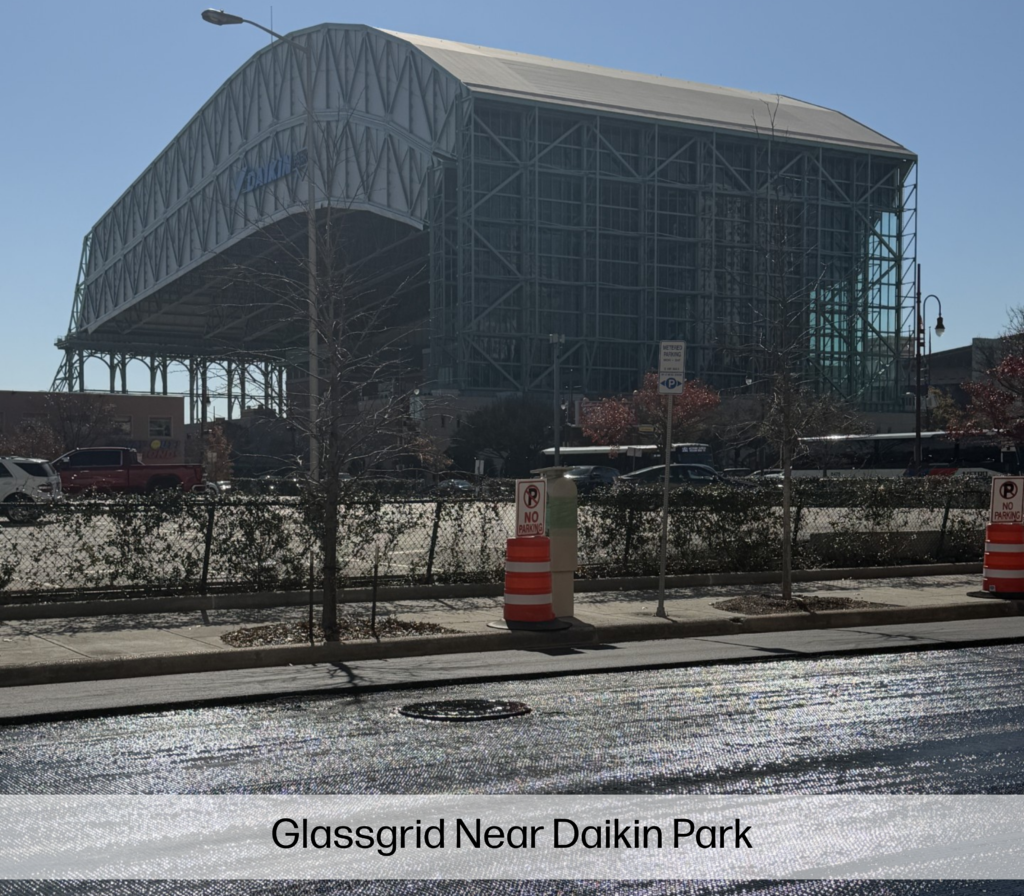
Preparing a city to host an international sporting event requires investments that extend well beyond the stadium gates. As the City of Houston readied for the FIFA World Cup 2026, CobbFendley partnered with City officials on targeted roadway rehabilitation projects surrounding the Shell Energy Stadium to improve travel for the thousands of spectators, residents, and businesses that rely on these corridors. CobbFendley’s construction management experts restored pavement conditions and addressed deteriorated roadway sections within the City to help enhance safety, reduce maintenance concerns, and provide smoother access before and after the World Cup games.
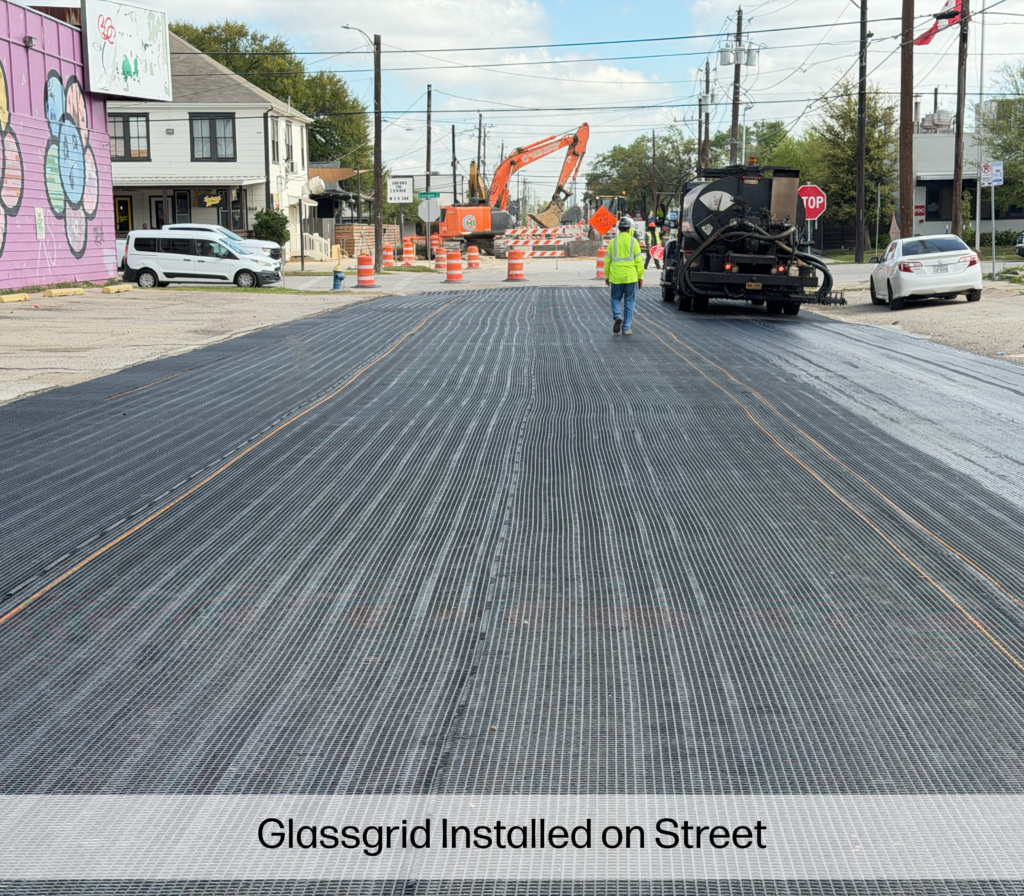
CobbFendley introduced an innovative pavement reinforcement material designed to minimize reflective cracking in aged concrete streets with new asphalt overlays, helping create longer-lasting road surfaces with reduced future maintenance requirements. By combining proven roadway improvements with forward-thinking engineering solutions, CobbFendley assisted the City of Houston in strengthening its transportation infrastructure while leaving a lasting benefit for the community. The project highlights how civil engineering supports major sporting events by improving mobility, increasing resilience, and enhancing the overall visitor and resident experience.
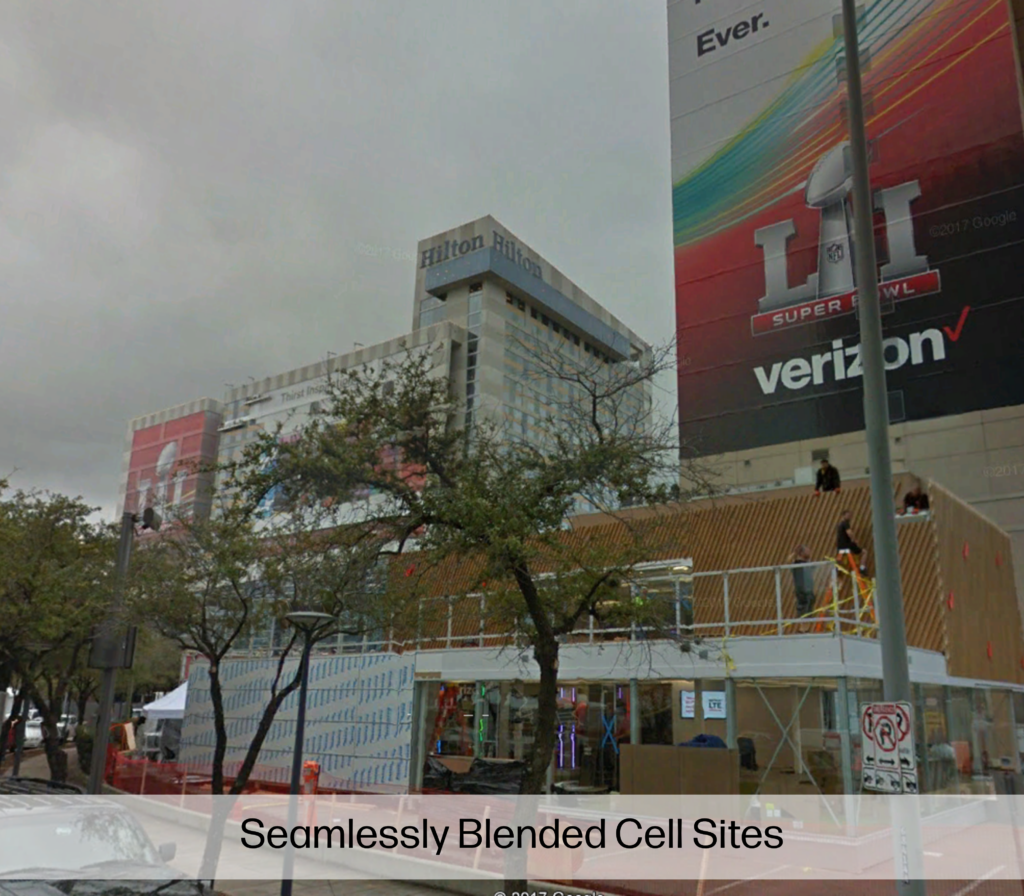
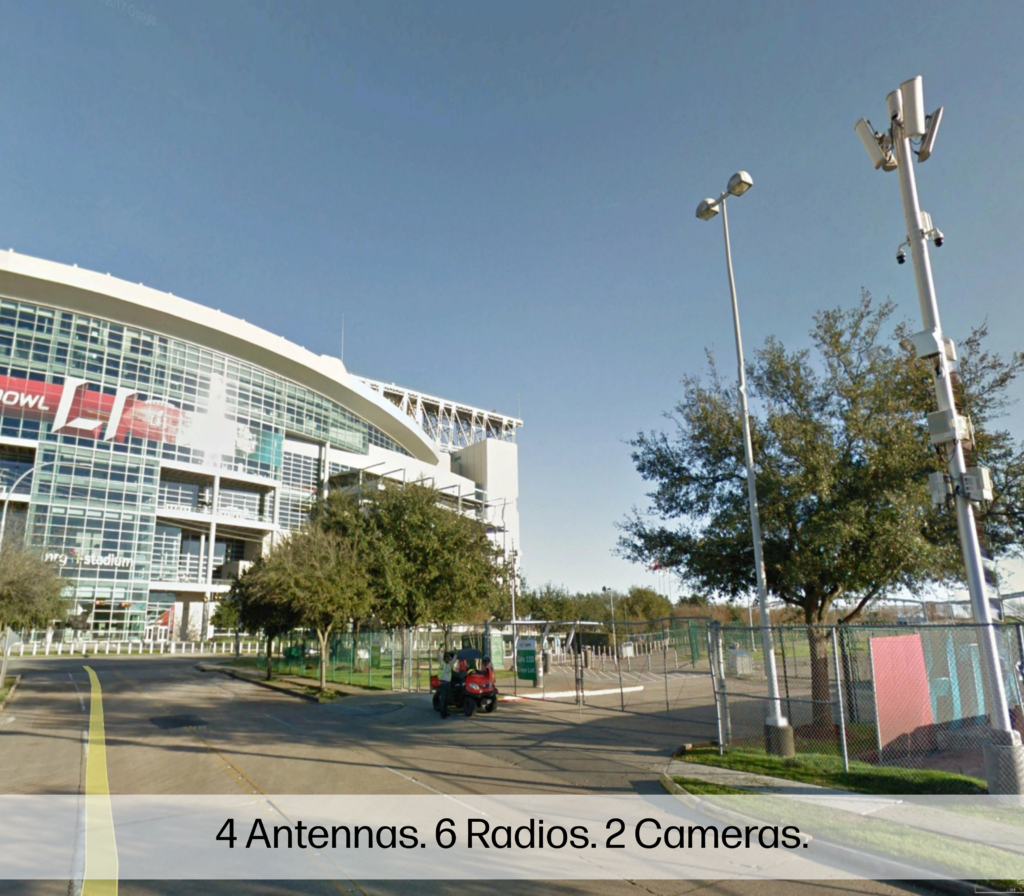
Super Bowl LI in 2017: When Houston prepared to host Super Bowl LI in 2017, the city faced a major challenge: providing reliable wireless connectivity for more than one million visitors, media personnel, and event staff expected to descend on downtown over a 10-day period. With just five months to design and implement a solution, CobbFendley partnered with Zayo Fiber Solutions to expand the city’s wireless capacity through a network of small cell infrastructure. Rather than disrupting busy streets by installing entirely new systems, the CobbFendley team took an innovative approach by repurposing existing underground duct banks, utility corridors, and even abandoned gas pipelines. This strategy minimized construction impacts, avoided significant traffic disruptions, and reduced project costs while delivering the capacity needed for one of the world’s largest sporting events.
The result was a communications network capable of handling the dramatic increase in wireless demand, allowing fans to share their experiences, broadcasters to deliver live coverage, and first responders to maintain reliable communications. Beyond supporting the Super Bowl, the infrastructure established a stronger telecommunications network that continues to benefit Houston residents and businesses long after the championship game.
Super Bowl LVII in 2023: Hosting an event the size of the 2023 Super Bowl requires a communications network capable of supporting thousands of simultaneous users without interruption. To help meet those demands in Glendale, Arizona, CobbFendley partnered with AT&T to design and oversee construction of fiber optic ring infrastructure and deploy small cell technology throughout the event area. These upgrades significantly expanded wireless capacity, enabling fans, broadcasters, event personnel, and public safety agencies to stay connected throughout the championship.
While much of this work remains invisible to attendees, the infrastructure designed by CobbFendley is essential to the overall success of large-scale events. Robust telecommunications systems support everything from mobile connectivity and live media coverage to emergency response and operational coordination. This project demonstrates how civil engineering contributes to modern sporting events by delivering the infrastructure that helps create a safe, reliable, and connected experience for everyone involved.
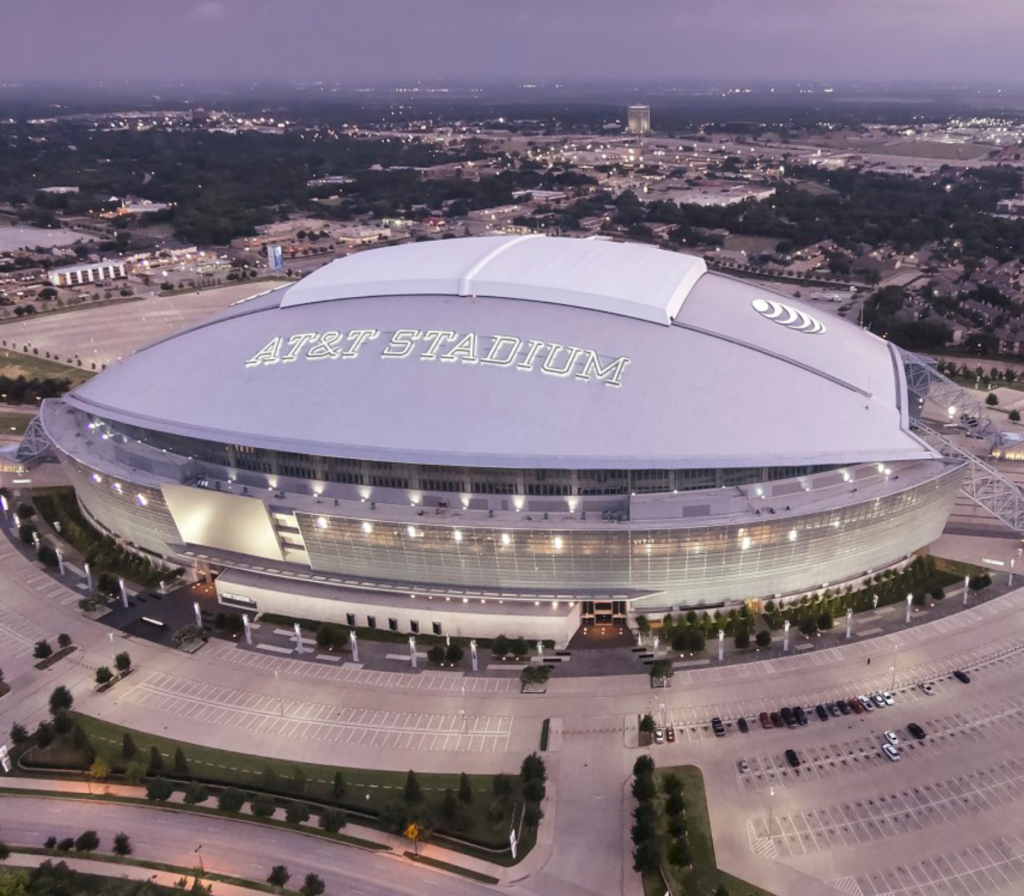
AT&T Stadium: As Arlington prepared for the opening of AT&T Stadium in 2009, the surrounding transportation infrastructure required significant improvements to accommodate increased traffic and enhance mobility. CobbFendley partnered with the Texas Department of Transportation (TxDOT) Fort Worth District on the IH 30 improvements from Fielder Road to the Dallas County line, providing utility engineering investigation, utility adjustment coordination, and utility engineering services for this fast-paced roadway project.
Working closely with TxDOT, the City of Arlington, utility providers, and design consultants, CobbFendley identified potential utility conflicts early in the project and recommended targeted utility investigations in critical areas.
This proactive approach helped minimize construction delays and kept the project on schedule. One of the project’s most significant successes involved resolving a major telecommunications utility conflict. Through innovative roadway and retaining wall design alternatives, CobbFendley helped reduce the anticipated schedule impact from an estimated two years to just nine months, saving valuable time while maintaining project objectives.
The completed improvements provided safer, more efficient travel for the thousands of visitors traveling to and from AT&T Stadium while demonstrating the value of early utility coordination and collaborative project delivery.
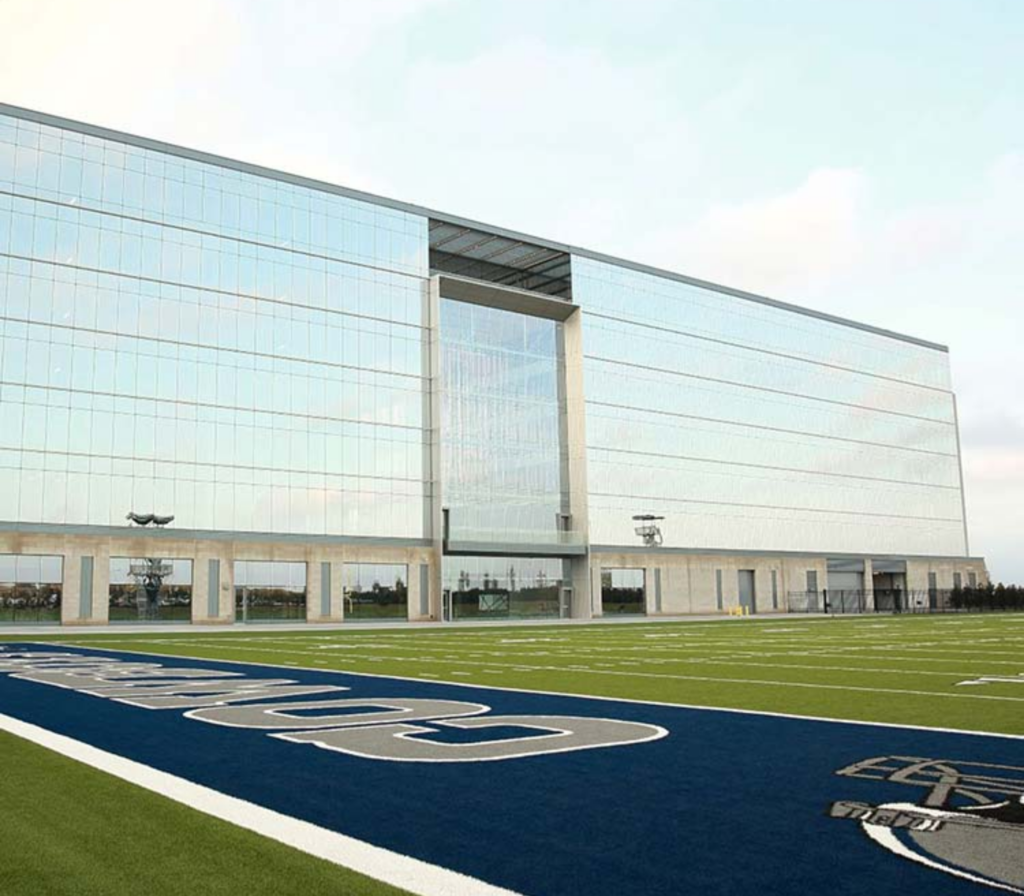
The Star: In addition to the utility work provided for the Dallas Cowboy’s stadium, CobbFendley was also instrumental in the development of the Cowboys’ training facility, The Star in Frisco, Texas. This project involved relocating approximately three-quarters of a mile of overhead power lines underground and installing a triple-circuit electrical system with communication and fiber infrastructure along the facility’s frontage road. This two-phase project to support one of the NFL’s premier training facilities improved the reliability of electrical service while also enhancing the appearance of the campus, creating a modern and dependable infrastructure that supports economic growth and provides a world-class environment for athletes, staff, and visitors.
While fans remember the unforgettable plays and championship moments, communities continue to benefit from the infrastructure investments made to support these events. From safer roadways and more reliable utilities to stronger communications networks, CobbFendley is proud to help build resilient infrastructure that enhances quality of life and prepares communities for the next big event.