Flood Awareness Week: Building More Resilient Communities
Flooding continues to impact communities across the regions we serve, making proactive planning and resilient infrastructure more important than ever. During Flood Awareness Week, CobbFendley’s Hydrology & Hydraulics (H&H) team is highlighting the importance of thoughtful stormwater design, evolving technology, and regional collaboration in reducing flood risk and protecting communities.
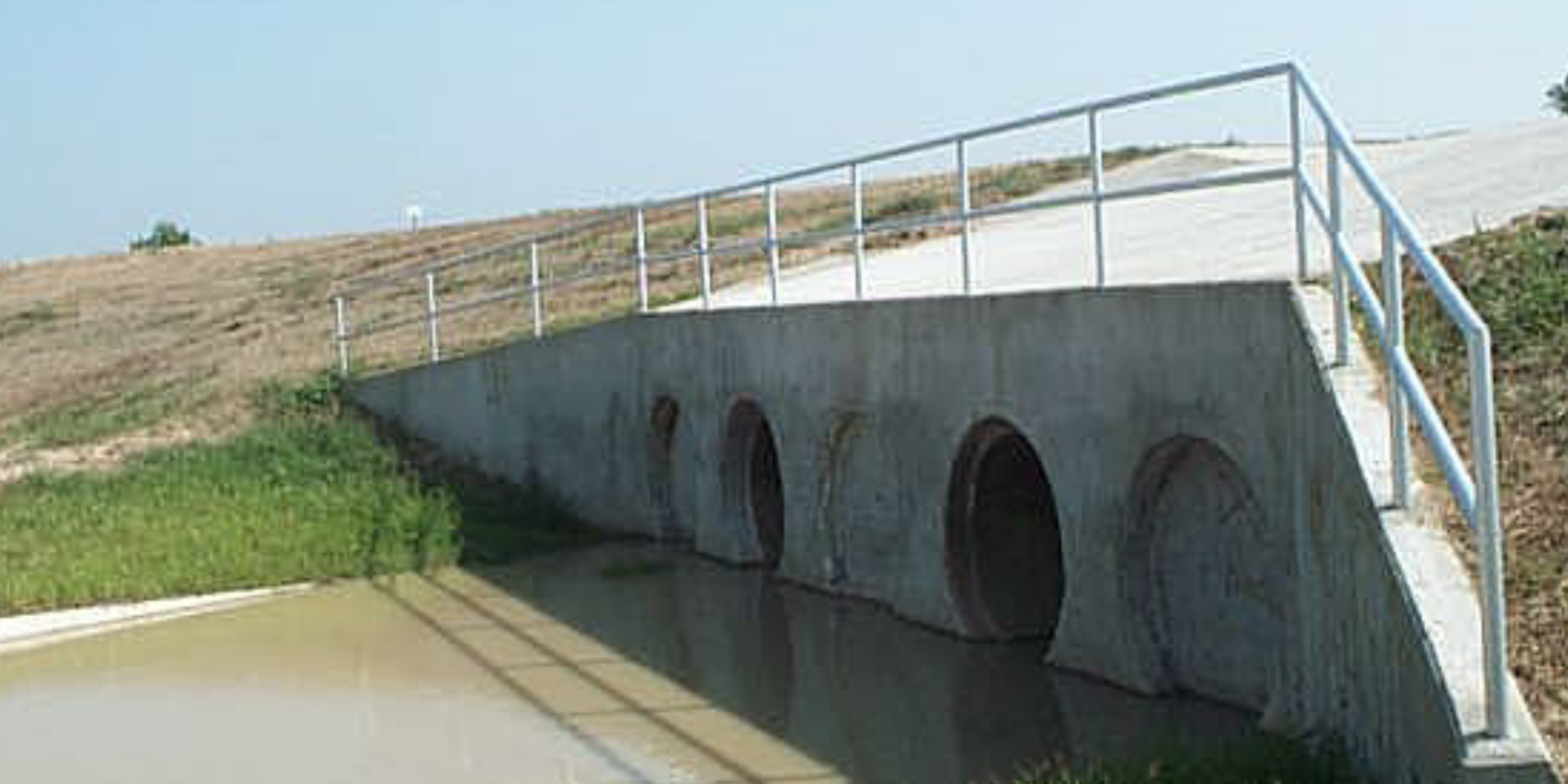
One of the most common causes of flooding our team encounters is aging or undersized infrastructure that was originally designed using outdated rainfall data. In many cases, drainage systems are no longer equipped to handle today’s storm events. Poor maintenance, such as clogged culverts filled with debris, and infrastructure settlement that impacts storm sewer flow can also contribute to localized flooding issues.
How Technology Is Changing Flood Analysis
As weather patterns evolve, so do the tools engineers use to analyze and mitigate flood risk. Advances in lidar and GIS technology have dramatically improved flood modeling and mapping capabilities, allowing engineers to perform detailed analyses without requiring complete survey data.
The use of 2D modeling and Rain on Mesh technology also enables teams to quickly identify potential problem areas and communicate flood risks more clearly to clients and stakeholders. These tools help engineers better understand how water moves across entire regions and support more informed decision-making.
Designing for Changing Weather Patterns
Updated rainfall data, including Atlas 14, has reshaped how stormwater infrastructure is designed across many regions. Engineers are now planning for more intense rainfall events and changing environmental conditions.
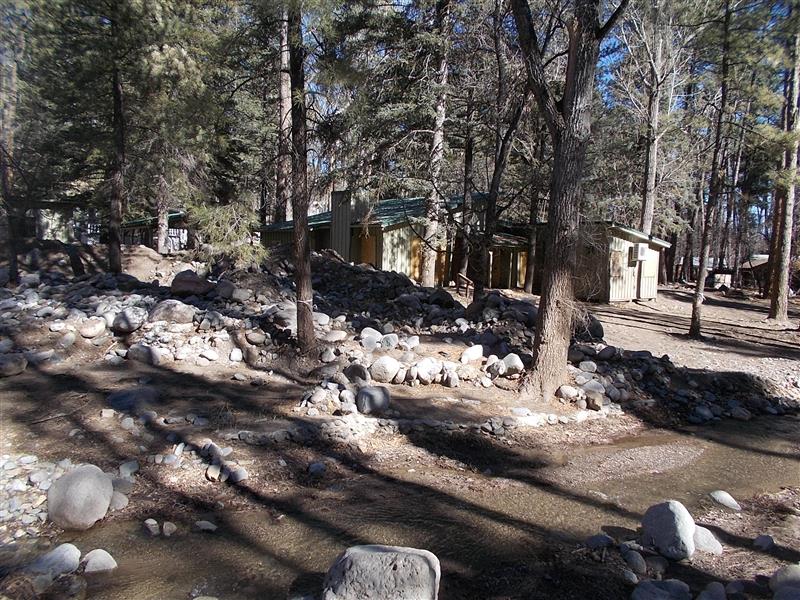
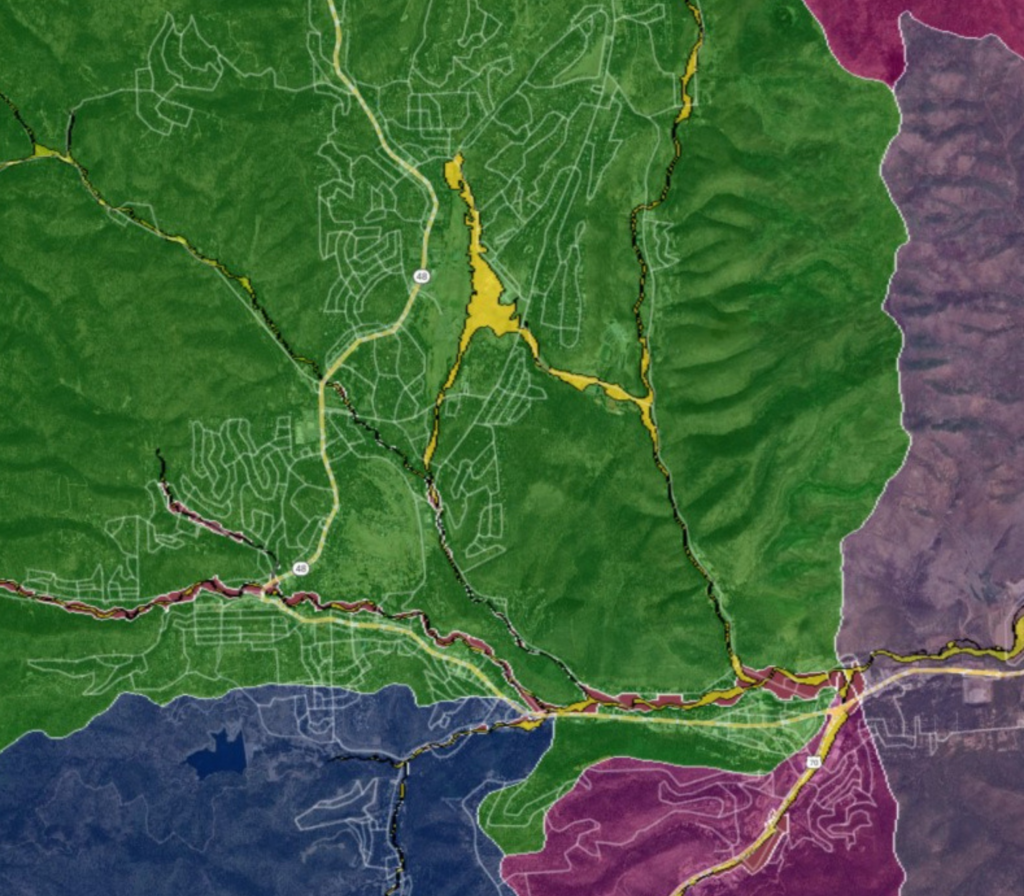
In places like Ruidoso, New Mexico, our team has also seen how wildfire impacts can significantly affect drainage patterns and runoff behavior. These evolving conditions require more adaptive and resilient approaches to infrastructure planning and flood mitigation.
Regional Solutions with Community Impact
CobbFendley’s H&H team has supported several regional mitigation efforts that have made meaningful impacts for communities, including Houston-area projects Berry Bayou, 5th Ward, and Woodland Trails Detention, as well as work in Ruidoso.
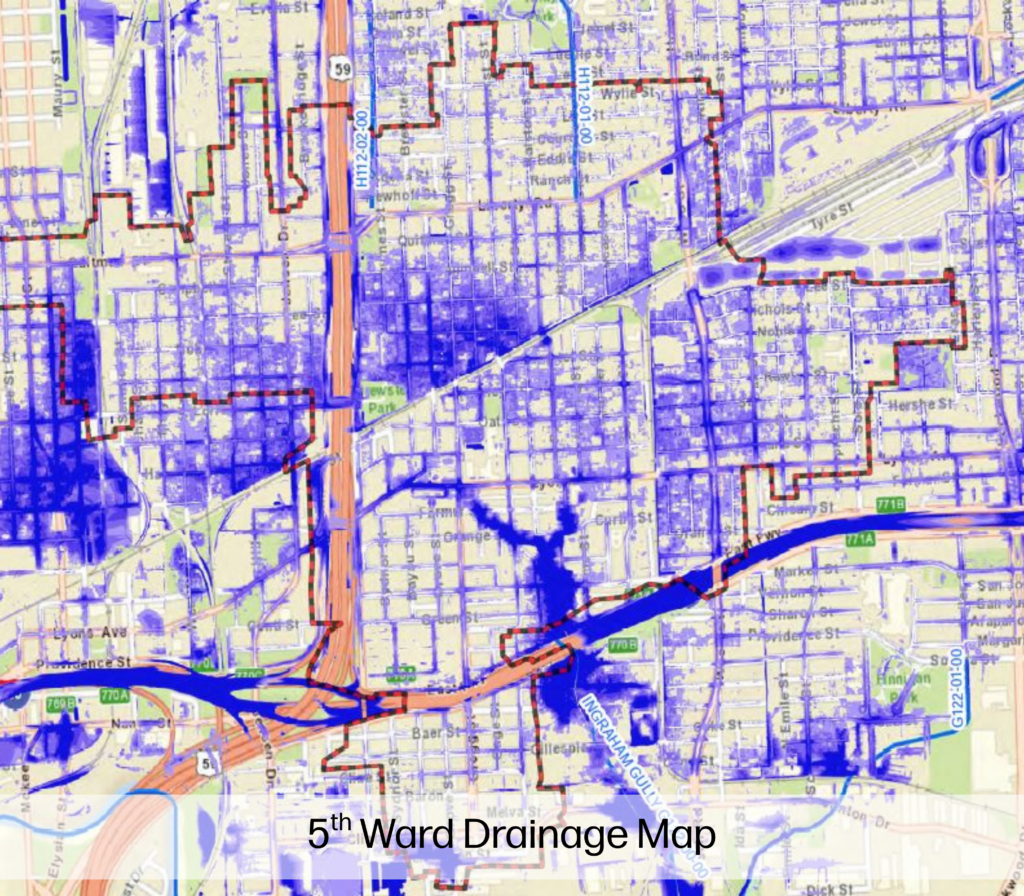
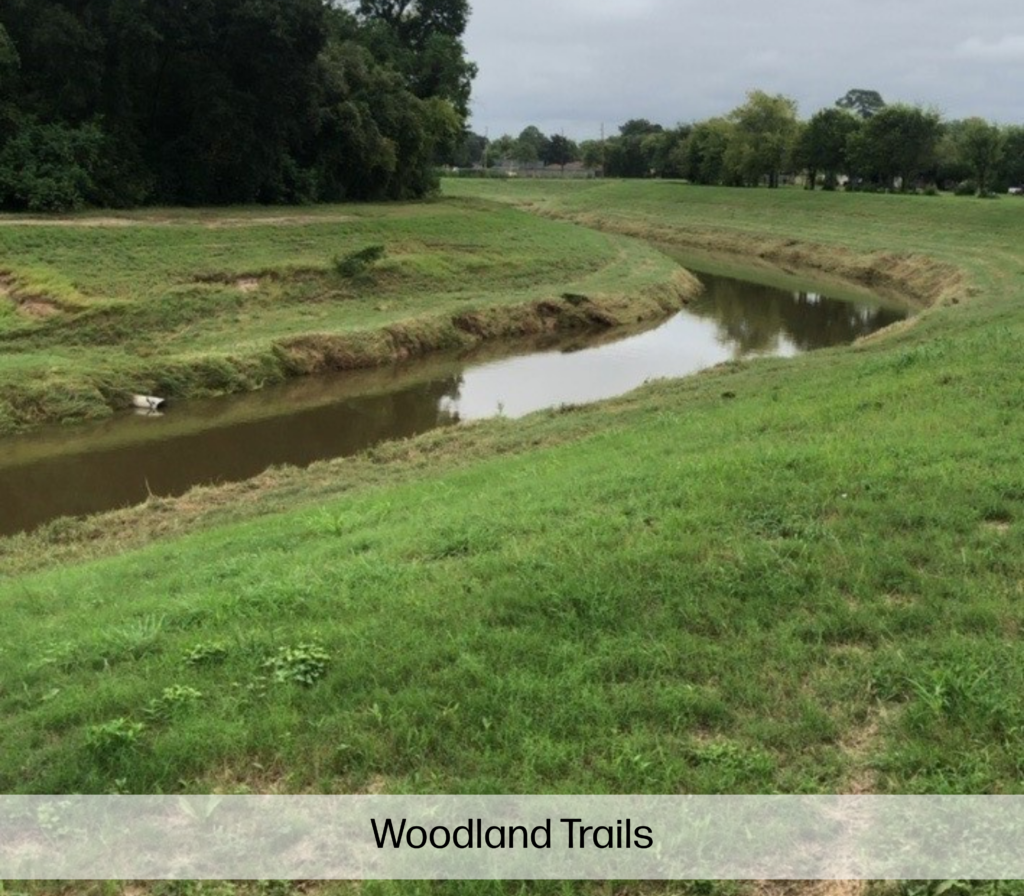
Regional solutions often provide protection for larger numbers of residents while delivering a more cost-effective outcome compared to multiple isolated improvements. Looking at flood risk from a watershed perspective allows communities to address problems more efficiently and create longer-lasting benefits.
The Importance of Stormwater Infrastructure
Properly designed and maintained stormwater infrastructure plays a critical role in long-term community resilience. Effective systems help reduce flood risk, protect property, and provide confidence for residents and businesses during major storm events.
Flooding is often more complex than many people realize. A common misconception is that all new development is solely responsible for increased flooding. In reality, flooding is typically influenced by a combination of aging infrastructure, historical development patterns, changing rainfall intensity, maintenance challenges, and broader watershed conditions.
Planning for the Future
When planning for future flood risk, CobbFendley’s H&H professionals encourage municipalities and developers to think regionally. When multiple neighborhoods experience flooding in close proximity, larger coordinated solutions can often provide greater long-term benefits and improved cost efficiency on a per-home basis.
As communities continue to grow and weather conditions evolve, investing in resilient infrastructure and forward-thinking planning remains essential. CobbFendley is proud to support projects that help protect people, property, and the communities we call home.